Rabat, Morocco's capital city, is widely regarded as one of the most traditional and culturally significant locations in the entire country. Despite its undeniable charm and beauty, many tourists tend to overlook Rabat in favor of more popular destinations such as Marrakech or Fes.
This is a mistake, as Morocco's capital city offers a unique and unparalleled glimpse into the heart of Moroccan culture that cannot be found elsewhere
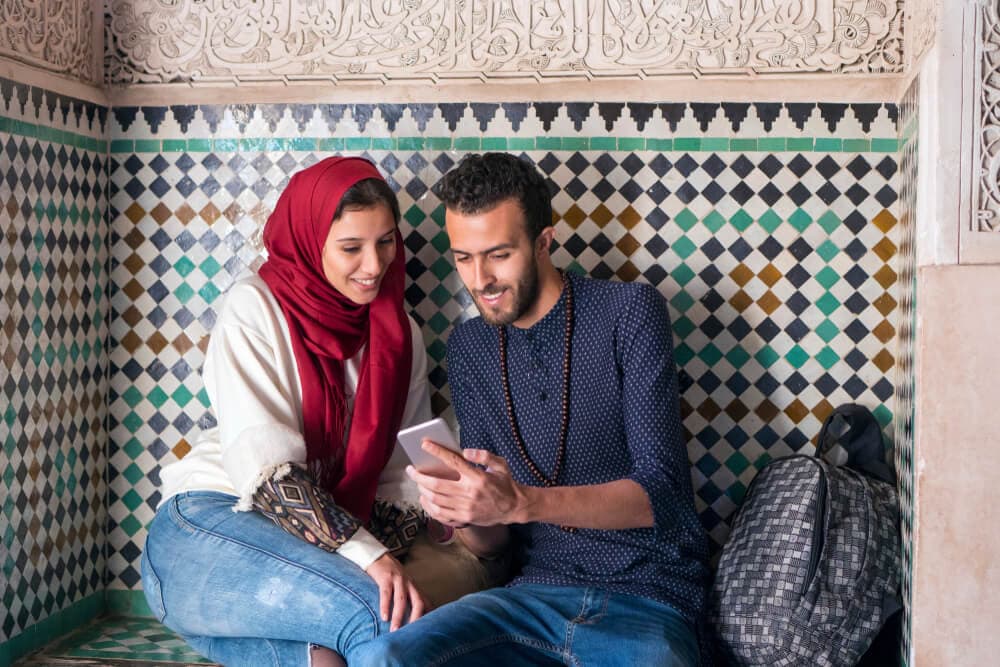
Unlike Marrakech or Casablanca, Rabat is a city that remains deeply rooted in tradition, and this is reflected in every aspect of its culture and daily life.
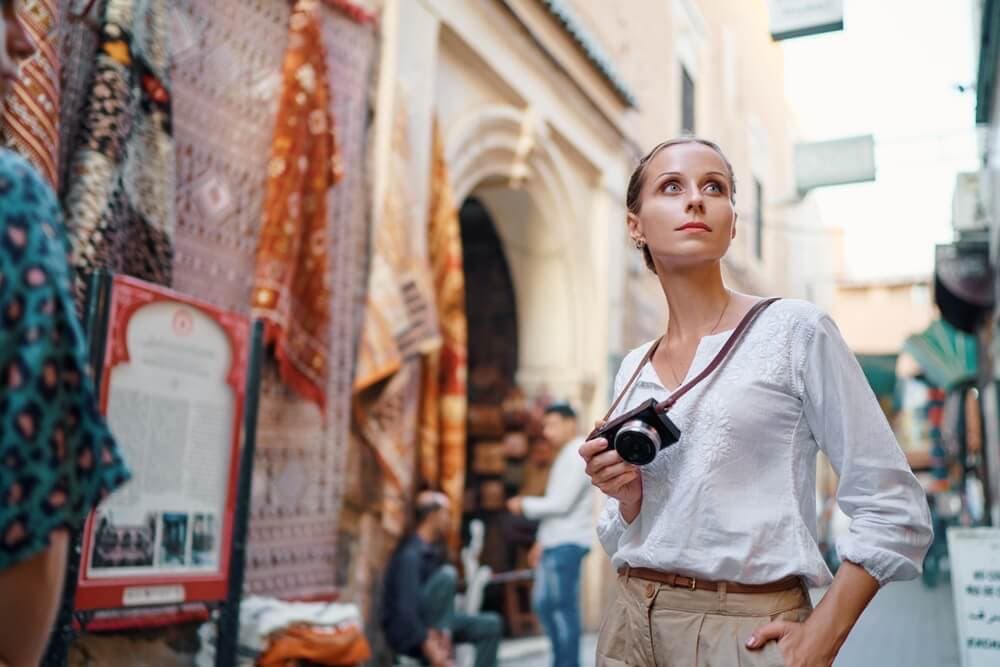
The vibrant and colorful markets, the bustling and lively streets, and the intricate and ornate architecture all serve as testaments to the enduring spirit and character of Rabat.
While Rabat may not offer the same level of luxury or extravagance as some of its more modern counterparts, it more than compensates for this with its rich and diverse cultural heritage.
From the ancient ruins and historical landmarks to the lively and vibrant local festivals and events, there is always something to see and experience in Rabat.
Hidden history of Rabat
Nestled along the meandering banks of the BouRegreg River, hemmed in by the vast expanse of the Atlantic Ocean and the Atlantic Coast, lies the city of Rabat. Despite its relatively modest size, with a populace of more than 500,000 individuals, Rabat is considered the seventh-largest city in the area.
Rabat has a long and storied history, dating back to the 12th century when it was founded by the great Almohad ruler, Abd al Mumin. Over the centuries, Rabat has served as a refuge for Barbary pirates, a French administrative capital center following the establishment of a protectorate in 1912, and finally, the capital of Morocco after Moroccan independence in 1955.
Such a rich and diverse past has left a lasting impression on the city, as visitors can explore the many cultural and historical treasures that Rabat has to offer.
From the ancient ramparts of the Chellah Necropolis to the stunning gardens and architecture of the Royal Palace, Rabat is a city that truly embodies the spirit of Morocco.
Rabat's rich history and cultural significance extend far beyond its present-day beauty and charm. In fact, the city has a long and storied past that is full of fascinating secrets and hidden treasures.
During the reign of the Almohad ruler al-Mu' min, Rabat was transformed into a formidable fortress that served as a key stronghold in the region. Under the direction of Yaqub al-Mansur, the city's walls were expanded and fortified, making it an even more impregnable bastion.
Perhaps the most impressive of Yaqub al-Mansur's accomplishments was the construction of the Hassan Tower, which was intended to be the world's largest mosque.
However, following his untimely death, the project was abandoned and the tower remained unfinished. Nevertheless, the ruins of this monumental structure remain to this day, serving as a testament to the incredible architectural achievements of Rabat's past.
Despite its former glory, Rabat experienced a significant decline in the 13th century, as the economic power of the region shifted to the nearby city of Fez. By this time, only a handful of inhabited houses remained in Rabat, and it seemed as though the city's best days were behind it.
Thankfully, however, Rabat has experienced a renaissance in recent years, and it is now one of the most popular tourist destinations in Morocco.
Visitors can explore the city's many hidden treasures and marvel at its impressive landmarks, including the King's Palace and numerous government offices.
Is Rabat Safe to Visit?
Rabat, and Morocco as a whole, is a safe place to visit. Despite its location in the Arab world, Morocco has a unique culture that blends European and Arab influences.
Morocco is as far from the Middle East as New York City is from Mexico City or London is from Istanbul, and is not a hotbed of terrorism or violence.
In fact, there are few threats of violence in Morocco, and the level of danger in Rabat is no different than in major cities in Western Europe or the United States.
Visitors should exercise caution and be aware of their belongings, as pickpocketing can be a concern in Rabat. Within the narrow streets of the Medina, the risk of pickpocketing is high, but as long as travelers keep an eye on their belongings, the risk of anything else happening to them is minimal.
Overall, Rabat is a safe destination for travelers who want to experience the unique culture and history of Morocco.
Visitors should exercise the same level of caution as they would in any new place they travel to, but there is no need for heightened fear or apprehension when visiting Rabat or any other city in Morocco.
Rabat's must-see locations and attractions
Rabat is a city that boasts of a vivid tapestry of architectural and natural marvels. The city provides a plethora of activities that are bound to etch lasting memories in your mind.
Hassan Tower
One of the architectural jewels that beg a visit is the Hassan Tower. This grand structure, which dates back to the 12th century, was supposed to be the most extensive mosque globally.
Sadly, Yacoub al-Mansour's demise halted its construction, leaving the building incomplete, yet its incompleteness stands out as its striking beauty. Its UNESCO World Heritage Site status makes it a sought-after destination for visitors worldwide.
Mausoleum of Mohammed V.
Another place that is a must-visit is the Mausoleum of Mohammed V. Located opposite the Oued Bou Regreg, this mausoleum is the final resting place of three significant members of the royal family. Its position in Yacoub Al Mansour Square is commanding and awe-inspiring.
Kasbah Oudaya
The Oudaya Kasbah is another marvel that has withstood the test of time. The Kasbah, which dates back to the 12th century, has been destroyed numerous times but has always been rebuilt. During the Alawites era, the Kasbah underwent significant developments, such as the construction of the Amiri Palace.
Zoo of Rabat
The Rabat Zoo is an incredibly vast expanse that houses different intriguing animal species found in Africa, such as elephants, lions, hippos, and rhinos. The animals live in simulated environments that are a feast for the eyes, such as the rainforest and the savannah.
El Mechouar Essaid
El Mechouar Essaid Palace is another grand structure that is truly a sight to behold. It serves as the official residence of King Hassan II and his royal family and is home to principal government offices. However, access to the castle is forbidden, and it can only be admired from a distance.
Bouregreg
A boat ride along the BouRegreg River is a memorable experience that culminates in a breathtaking sunset. The river flows all the way to the sea, and a boat ride is the best way to explore it with family.
Andalusian Gardens
The Andalusian Gardens are another marvel that has stood the test of time, having been built by the French back in the 20th century.
These one-century gardens are still in perfect condition due to meticulous maintenance. The gardens are an oasis of beauty, with flowers, shrubs, and banana, lemon, and orange trees. They provide a serene environment to commune with nature and relax.
Medina
To cap off your trip, take a stroll around the Old Medina, Rabat's old city center. It is a buzzing hive of activity, with people going about their businesses.
However, navigating these streets is easier compared to other Moroccan streets. Visiting Old Medina is a fantastic way to complete your trip to Rabat.
How to Navigate Rabat
Rabat, being a relatively small city, is easy to navigate for tourists. Most of the popular tourist spots in and around the Medina can be accessed on foot. However, for longer distances, the blue petit taxis are the best mode of transportation to use in the city.
These taxis are readily available throughout Rabat and are identifiable by their blue color. It is advisable to agree on a fare before embarking on a journey or ensure that the driver turns on the meter to avoid being overcharged.
Some taxi drivers may try to negotiate a higher fare, especially with tourists who are not familiar with the rates. Therefore, it is essential to be vigilant to avoid any inconveniences. Overall, getting around Rabat is easy, affordable, and safe for tourists.
Is Rabat Worth Visiting?
Rabat, Morocco's capital city, may not be as popular as some of the other destinations in the country, but it is a gem that should not be overlooked.
The city offers a unique and authentic Moroccan experience that is unmatched by other cities. While the list of iconic things to do in Rabat may be shorter than in other Moroccan cities, the city's culture and vibrancy more than make up for it.
Additionally, Rabat is significantly less congested than other popular Moroccan cities, providing a more peaceful and relaxed atmosphere for travelers.
If you have some extra days to fill on your trip itinerary to Morocco, Rabat is a pretty good place to check out. So, if you are wondering whether Rabat is worth visiting, the answer is a resounding yes.
Conclusion
Rabat is a city that is often overlooked by travelers when visiting Morocco. However, in my opinion, Rabat is definitely worth visiting. It offers a unique and authentic experience, showcasing the vibrant Moroccan culture without the hustle and bustle of other major tourist destinations in Morocco.
While Rabat may not have as many iconic sights as other cities in Morocco, its charm lies in its bustling markets, packed streets, and authentic Moroccan atmosphere. If you have some extra days to fill on your trip itinerary to Morocco, I highly recommend checking out Rabat. It is a great place to immerse yourself in the Moroccan way of life and experience a different side of the country.